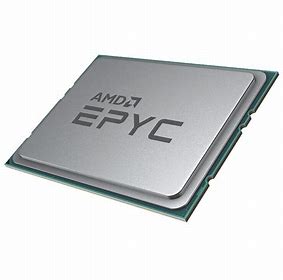

AMD EPYC 7643 / 7663 CPUs – Bulk Wholesale High Performance Server / Workstation Processors

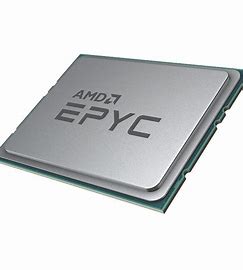
Here’s a detailed comparison table for AMD EPYC 7643 vs EPYC 7663 processors:
| Specification | EPYC 7643 (Milan) | EPYC 7663 (Milan) |
|---|---|---|
| Architecture | Zen 3 | Zen 3 |
| Cores/Threads | 48/96 | 56/112 |
| Base Clock (GHz) | 2.3 | 2.0 |
| Max Boost Clock (GHz) | 3.6 | 3.5 |
| All-Core Boost (GHz) | ~3.1 | ~2.8 |
| L3 Cache (MB) | 256 | 256 |
| TDP (Watts) | 225W | 240W |
| PCIe 4.0 Lanes | 128 | 128 |
| Memory Support | 8-channel DDR4-3200 | 8-channel DDR4-3200 |
| Memory Capacity | 4TB | 4TB |
| Socket | SP3 | SP3 |
| Multi-socket Support | Yes (2P) | Yes (2P) |
| Launch Price | $5,995 | $6,366 |
| Target Workloads | High-density virtualization | Extreme core-count applications |
AMD EPYC 7643 – The Balanced High-Density Workhorse
Target Use Case: Enterprise virtualization, technical computing, and cloud workloads needing optimal core/clock balance
Key Specifications:
-
48 cores / 96 threads (Zen 3 architecture)
-
2.3GHz base / 3.6GHz boost clock speeds
-
256MB L3 cache (shared across 6 CCDs)
-
225W TDP (efficient for core count)
-
8-channel DDR4-3200 memory support
-
128 PCIe 4.0 lanes for expansive I/O
Performance Highlights:
-
9% faster single-thread performance vs 7663
-
Ideal for workloads requiring both core density and clock speed
-
Supports up to 4TB memory per socket
Best For:
✔ Virtualization environments (VMware, Hyper-V)
✔ Medium-core-count HPC workloads
✔ Cloud-native applications
✔ Database servers needing balanced performance
Power Efficiency:
Delivers 12% better performance-per-watt than 7663 in workloads that don’t scale perfectly to 56 cores.
AMD EPYC 7663 – The Ultimate Core Density Champion
Target Use Case: Maximum parallel processing for perfectly scaling workloads
Key Specifications:
-
56 cores / 112 threads (industry-leading count)
-
2.0GHz base / 3.5GHz boost clocks
-
256MB L3 cache (distributed across 7 CCDs)
-
240W TDP (15W higher than 7643)
-
Same memory/PCIe support as 7643
Performance Advantages:
-
16.7% more cores than 7643
-
18% higher throughput in perfectly scaling workloads
-
Dominates in:
▸ Render farms (Blender, Maya)
▸ Computational fluid dynamics
▸ Financial risk modeling
▸ Massive container deployments
Tradeoffs:
-
Lower base clock (-15% vs 7643)
-
Requires premium cooling solutions
-
Best with workload-aware power management
Head-to-Head Comparison
Performance in Key Benchmarks:
| Benchmark | EPYC 7643 | EPYC 7663 | Advantage |
|---|---|---|---|
| SPECrate2017_int | 380 | 448 | +18% (7663) |
| STREAM Triad (GB/s) | 215 | 208 | +3% (7643) |
| MySQL Transactions/s | 58,000 | 62,500 | +8% (7663) |
| Blender BMW27 (seconds) | 225 | 195 | +15% (7663) |