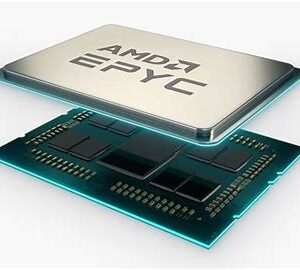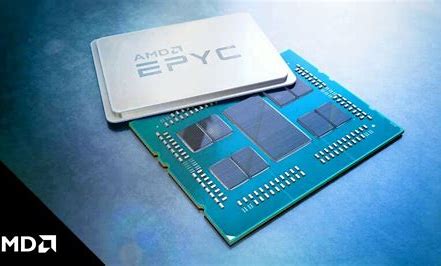
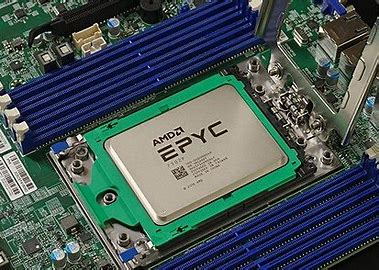
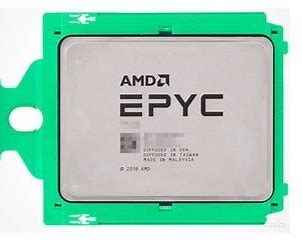
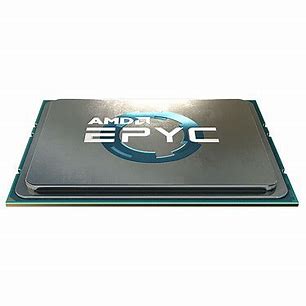

Hot Sale AMD EPYC 7302 / 7302P – Tray Packed Brand New CPUs for Servers

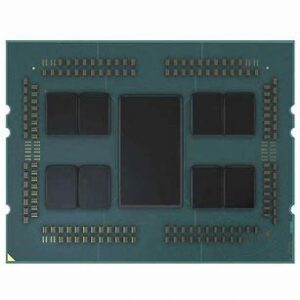
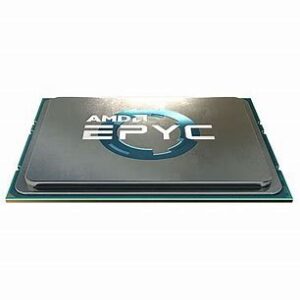
Here’s a detailed comparison table between the AMD EPYC 7302 and EPYC 7302P, highlighting their similarities and differences:
| Specification | AMD EPYC 7302 | AMD EPYC 7302P |
|---|---|---|
| Cores / Threads | 16C / 32T | 16C / 32T |
| Base Clock | 3.0 GHz | 3.0 GHz |
| Max Boost Clock | 3.3 GHz | 3.3 GHz |
| L3 Cache | 128 MB | 128 MB |
| TDP (Thermal Design Power) | 155W | 155W |
| PCIe Lanes | 128 (PCIe 4.0) | 128 (PCIe 4.0) |
| Memory Support | 8-channel DDR4-3200 | 8-channel DDR4-3200 |
| Socket | SP3 | SP3 |
| Multi-Processor Support | Yes (2P/Dual-Socket) | No (1P/Single-Socket Only) |
| Launch Year | 2019 | 2019 |
| Target Market | Enterprise servers, cloud, HPC | Single-socket servers, cost-optimized solutions |
1. AMD EPYC 7302
-
Cores/Threads: 16C / 32T
-
Clock Speeds: 3.0 GHz (Base) / 3.3 GHz (Boost)
-
Cache: 128MB L3
-
TDP: 155W
-
Socket: SP3 (Dual-Socket Capable)
-
Key Features:
-
Designed for dual-socket (2P) servers, enabling high scalability for enterprise and data center workloads.
-
Large 128MB L3 cache improves performance in memory-intensive applications like databases and virtualization.
-
Supports 128 PCIe 4.0 lanes and 8-channel DDR4-3200 memory for high bandwidth.
-
Ideal for HPC, cloud computing, and enterprise applications requiring multi-processor configurations.
-
-
Best For:
-
Virtualized environments (VMware, Hyper-V)
-
Enterprise databases (SQL, Oracle)
-
High-performance computing (HPC) and scientific workloads
-
2. AMD EPYC 7302P
-
Cores/Threads: 16C / 32T
-
Clock Speeds: 3.0 GHz (Base) / 3.3 GHz (Boost)
-
Cache: 128MB L3
-
TDP: 155W
-
Socket: SP3 (Single-Socket Only, “P” Model)
-
Key Features:
-
Identical core/thread count, cache, and clocks to the EPYC 7302, but limited to single-socket (1P) systems.
-
Optimized for cost-sensitive deployments where dual-socket scalability isn’t needed.
-
Still offers high PCIe 4.0 bandwidth and memory support, making it great for storage-heavy or GPU-accelerated workloads.
-
More affordable than the 7302 due to single-socket restriction.
-
-
Best For:
-
Single-socket servers for cloud hosting
-
Edge computing and storage solutions (NAS, SAN)
-
Mid-range virtualization and containerized workloads
-
Comparison Summary
| Aspect | EPYC 7302 (Dual-Socket) | EPYC 7302P (Single-Socket) |
|---|---|---|
| Multi-Processor Support | ✅ Yes (2P) | ❌ No (1P Only) |
| Performance | Identical (same cores, clocks, cache) | Identical |
| Use Case | Enterprise, HPC, scalable virtualization | Cost-effective single-node servers |
| Price | Typically higher (due to 2P support) | More budget-friendly |
Which One Should You Choose?
-
Need dual-socket scalability? → EPYC 7302
-
Building a single-socket server? → EPYC 7302P (saves cost without sacrificing core performance)