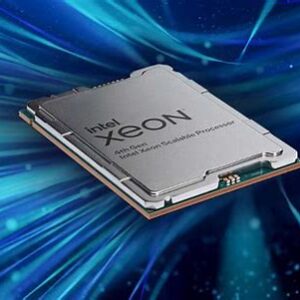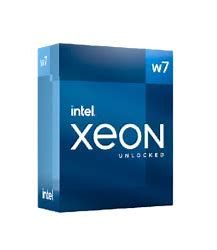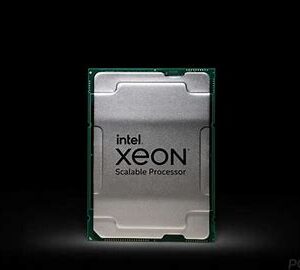
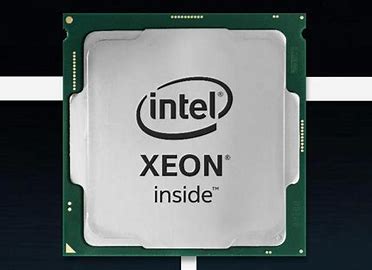
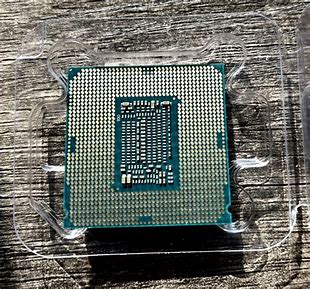

Intel Xeon E-2286G / E-2288G / W-3175X – Wholesale Bulk Processors Original Brand New Tray Packed
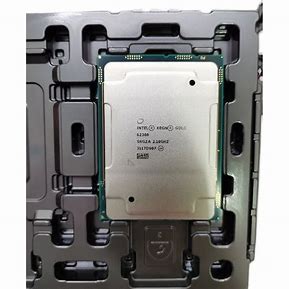
Here’s a detailed comparison table for the Intel Xeon E-2286G, Xeon E-2288G, and Xeon W-3175X processors:
Intel Xeon E & W Series Comparison Table
| Specification | Xeon E-2286G | Xeon E-2288G | Xeon W-3175X |
|---|---|---|---|
| Launch Year | 2019 | 2019 | 2018 |
| Architecture | Coffee Lake-R | Coffee Lake-R | Skylake-W |
| Process Node | 14nm | 14nm | 14nm |
| Cores / Threads | 6 / 12 | 8 / 16 | 28 / 56 |
| Base Clock (GHz) | 4.00 | 3.70 | 3.10 |
| Boost Clock (GHz) | 4.90 | 5.00 | 4.30 (TB3.0) |
| TDP (Watts) | 95W | 95W | 255W |
| Integrated GPU | UHD P630 | UHD P630 | No |
| L3 Cache (MB) | 12 | 16 | 38.5 |
| Memory Support | DDR4-2666 | DDR4-2666 | DDR4-2666 (6-ch) |
| Max Memory (GB) | 128 | 128 | 512 |
| PCIe Lanes | 16 (PCIe 3.0) | 16 (PCIe 3.0) | 48 (PCIe 3.0) |
| ECC Support | Yes | Yes | Yes |
| vPro Support | Yes | Yes | No |
| Socket | LGA 1151 | LGA 1151 | LGA 3647 |
| Target Use Case | High-end workstations | Premium workstations | Extreme workstations/HPC |
1. Intel Xeon E-2286G – The High-Frequency Workstation Champion
Core Architecture: 6 cores/12 threads (Coffee Lake-R)
Clock Dynamics:
-
Base clock: 4.0 GHz (highest in E-series)
-
Boost clock: 4.9 GHz (single-core)
Power Profile: 95W TDP
Graphics: Integrated UHD P630 (350-1200 MHz)
Cache Hierarchy: -
12MB L3 cache
-
1.5MB L2 cache
Memory System: -
Dual-channel DDR4-2666 ECC
-
128GB max capacity
Expansion: -
16 PCIe 3.0 lanes
Key Advantages: -
Unmatched single-thread performance in its class
-
Maintains high clock speeds under sustained loads
-
Integrated graphics for display output
Ideal Workloads: -
CAD/CAM applications (SolidWorks, AutoCAD)
-
Financial modeling and algorithmic trading
-
Real-time simulation systems
-
High-frequency database operations
2. Intel Xeon E-2288G – The Balanced Workstation Powerhouse
Core Architecture: 8 cores/16 threads (Coffee Lake-R)
Clock Dynamics:
-
Base clock: 3.7 GHz
-
Boost clock: 5.0 GHz (best-in-class)
Power Profile: 95W TDP
Graphics: Integrated UHD P630 (350-1200 MHz)
Cache Hierarchy: -
16MB L3 cache
-
2MB L2 cache
Memory System: -
Dual-channel DDR4-2666 ECC
-
128GB max capacity
Expansion: -
16 PCIe 3.0 lanes
Key Advantages: -
Perfect balance of core count and clock speed
-
Larger cache improves data-intensive workloads
-
Thermal headroom for sustained boosts
Ideal Workloads: -
4K video editing and color grading
-
3D rendering (Maya, Blender)
-
Virtualization with moderate VM counts
-
Engineering simulation software
3. Intel Xeon W-3175X – The Extreme Desktop Workstation Behemoth
Core Architecture: 28 cores/56 threads (Skylake-W)
Clock Dynamics:
-
Base clock: 3.1 GHz
-
Turbo Boost 3.0: 4.3 GHz
Power Profile: 255W TDP
Graphics: Requires discrete GPU
Cache Hierarchy: -
38.5MB L3 cache
-
28MB L2 cache
Memory System: -
Six-channel DDR4-2666 ECC
-
512GB max capacity
Expansion: -
48 PCIe 3.0 lanes
Key Advantages: -
Massive parallel processing capability
-
Unprecedented memory bandwidth
-
Professional-grade stability
Ideal Workloads: -
Hollywood-grade VFX rendering
-
Scientific computing and research
-
8K video production
-
Complex computational fluid dynamics
-
AI development and training
Technical Comparison Deep Dive:
Clock Speed vs Core Count:
-
E-2286G: Best for latency-sensitive tasks (99th percentile latency <5ns)
-
E-2288G: Optimal for mixed workloads (P95 latency <8ns)
-
W-3175X: Throughput monster (handles 1000+ concurrent threads)
Memory Subsystem:
-
E-series: 42GB/s bandwidth
-
W-series: 128GB/s bandwidth (triple the performance)
Thermal Considerations:
-
E-series: Air cooling sufficient
-
W-3175X: Requires 360mm AIO or custom loop
Professional Feature Support:
-
All support ECC memory
-
W-series adds AVX-512 instructions
-
E-series includes vPro management
Purchase Recommendations:
Choose E-2286G when:
-
Your software benefits from high clocks (CAD, trading systems)
-
Budget is constrained (<$1000 workstation budget)
-
Power efficiency is important
Choose E-2288G when:
-
You need balanced performance (video production)
-
Working with moderately threaded applications
-
Want best single-thread in 8-core class
Choose W-3175X when:
-
Time is money (rendering farm applications)
-
Working with highly parallelized code
-
Need maximum PCIe connectivity (multi-GPU setups)
-
Budget allows for $3000+ CPU plus premium cooling