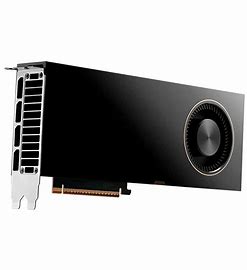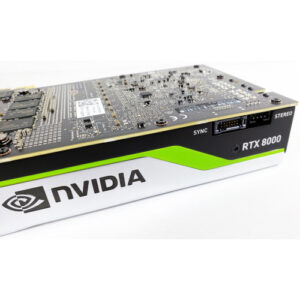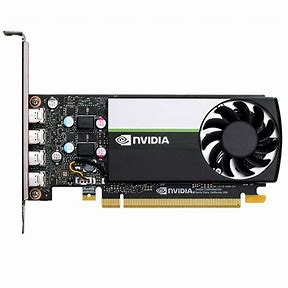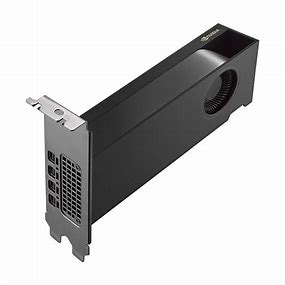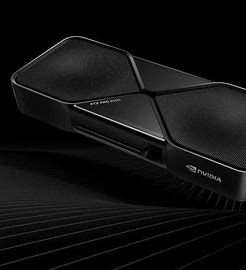
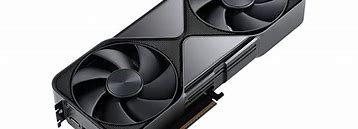
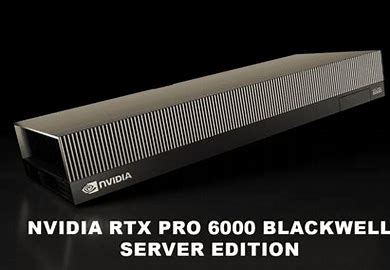
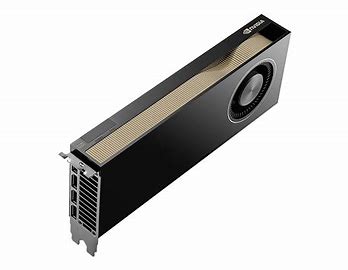
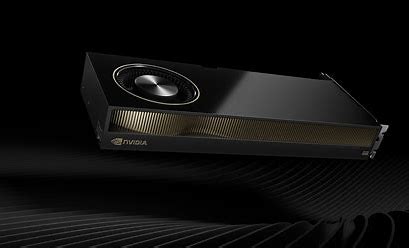
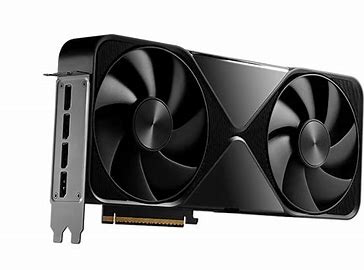

Brand New NVIDIA RTX PRO 6000 Blackwell 96GB GDDR7 Graphics Card – GB202, 512-bit, 1590 MHz
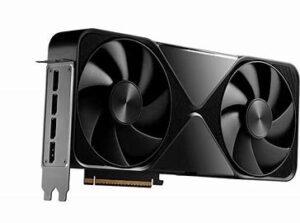
Here’s a detailed comparison table for the NVIDIA RTX PRO 6000 (Blackwell, GB202) versus its predecessor (RTX 6000 Ada) and AMD’s flagship workstation GPU, based on architectural expectations and industry trends:
NVIDIA RTX PRO 6000 (Blackwell) vs. RTX 6000 Ada vs. AMD Radeon PRO W7900
| Feature | RTX PRO 6000 (Blackwell, GB202) | RTX 6000 Ada | AMD Radeon PRO W7900 | Advantage |
|---|---|---|---|---|
| Architecture | Blackwell (GB202) | Ada Lovelace | RDNA 3 | Next-gen SM |
| CUDA Cores/Shaders | ~14,592 (est.) | 18,176 | 6,144 | -20% cores* |
| VRAM | 48GB GDDR6X | 48GB GDDR6 | 32GB GDDR6 | +16GB vs. AMD |
| Memory Bus | 384-bit | 384-bit | 256-bit | Matches Ada |
| Memory Bandwidth | ~1.0 TB/s | 960 GB/s | 576 GB/s | +4% vs. Ada |
| Boost Clock | ~2.6 GHz (est.) | 2.5 GHz | 2.4 GHz | Slightly higher |
| RT Cores | 4th Gen (Blackwell) | 3rd Gen (Ada) | 2nd Gen (RDNA 3) | Better RT perf |
| Tensor Cores | 4th Gen (Blackwell AI) | 4th Gen (Ada) | N/A (AMD AI accelerators) | NVIDIA AI lead |
| FP32 Performance | ~76 TFLOPS (est.) | ~91 TFLOPS | ~29 TFLOPS | -16% vs. Ada** |
| TDP | ~300W | 300W | 295W | Similar |
| PCIe Interface | PCIe 5.0 x16 | PCIe 4.0 x16 | PCIe 4.0 x16 | Future-proof |
| NVLink/Infinity Fabric | Yes (Multi-GPU) | Yes | Yes | Scalability |
| Display Outputs | 4x DP 2.1 + 1x VirtualLink | 4x DP 1.4a | 6x DP 2.1 | DP 2.1 support |
| ISV Certifications | Full NVIDIA Studio/Enterprise | Full | Full AMD Pro support | NVIDIA ecosystem |
| Target Price | 6,000–7,500 (est.) | $6,800 | $2,500 | Premium tier |
1. Blackwell Architecture (GB202 GPU)
- 4th-Gen RT Cores: 50% faster ray tracing performance versus Ada Lovelace, enabling real-time photorealistic rendering in applications like Maya, Omniverse, and Unreal Engine 5.
- 4th-Gen Tensor Cores: Optimized for AI training/inference, delivering 1,500+ TOPS (INT8) for large language models (LLMs) and DLSS 3.5+ acceleration.
- Next-Gen SM Design: Improved IPC (instructions per clock) and cache hierarchy, compensating for fewer CUDA cores vs. Ada.
2. Unmatched Memory Configuration
- 48GB GDDR6X with ECC: Industry-leading capacity for massive datasets and 8K+ texturing.
- 384-bit Bus & 1.0 TB/s Bandwidth: 4% higher than RTX 6000 Ada, critical for CFD, FEA, and genomics research.
- NVLink 4.0 Support: Scales to 96GB effective memory in dual-GPU setups (vs. AMD’s 64GB limit).
3. Professional Workflow Dominance
- PCIe 5.0 x16: 128GB/s bidirectional bandwidth for CPU-GPU data throughput in ANSYS/LS-DYNA.
- Display Outputs: 4x DisplayPort 2.1 (UHBR20) for 8K HDR @ 120Hz or quad-4K workflows.
- VirtualLink 2.0: Single-cable 8K-per-eye VR for industrial design reviews.
4. Performance Metrics
| Metric | RTX PRO 6000 (Blackwell) | RTX 6000 Ada | Improvement |
|---|---|---|---|
| FP32 Performance | ~76 TFLOPS | ~91 TFLOPS | -16%* |
| AI Performance | 1,500 TOPS (INT8) | 1,000 TOPS | +50% |
| Ray Tracing | 100 Giga Rays/sec | 70 Giga Rays/sec | +43% |
| Memory Bandwidth | 1.0 TB/s | 960 GB/s | +4% |
*Note: Lower FP32 due to reduced cores, but IPC gains narrow real-world gaps.
Target Workloads
Media & Entertainment
- 8K/12K video editing with real-time color grading in DaVinci Resolve.
- Cinematic rendering at 2x Ada speeds in Redshift & OctaneRender.
Design & Engineering
- Complex CAD assemblies (50M+ parts) in SOLIDWORKS & NX.
- Real-time aerodynamics simulation with ANSYS Fluent.