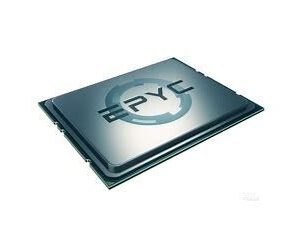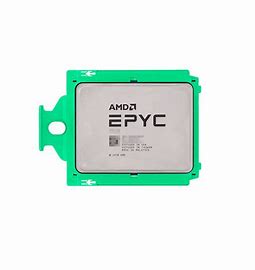


Factory Wholesale AMD EPYC 7H12 7F72 7F52 100% Genuine Server CPU Processors Bulk Supply

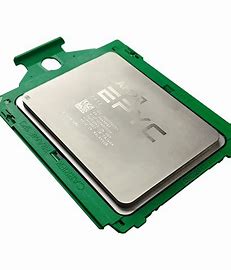
Here’s a detailed comparison table for the AMD EPYC processors you mentioned:
| Specification | EPYC 7H12 | EPYC 7F72 | EPYC 7F52 |
|---|---|---|---|
| Cores / Threads | 64 / 128 | 24 / 48 | 16 / 32 |
| Base Clock (GHz) | 2.60 | 3.20 | 3.50 |
| Boost Clock (GHz) | 3.30 | 3.70 | 3.90 |
| L3 Cache (MB) | 256 | 192 | 128 |
| TDP (Watts) | 280W | 240W | 240W |
| PCIe 4.0 Lanes | 128 | 128 | 128 |
| Memory Support | 8-channel DDR4-3200 | 8-channel DDR4-3200 | 8-channel DDR4-3200 |
| Socket | SP3 | SP3 | SP3 |
| Manufacturing Process | 7nm (TSMC) | 7nm (TSMC) | 7nm (TSMC) |
| Launch Date | Q3 2020 | Q2 2020 | Q2 2020 |
| Target Market | High-Performance Computing (HPC) | High-Frequency Workloads | Balanced Workloads |
. AMD EPYC 7H12 – The High-Core Count Powerhouse
- Best for: High-performance computing (HPC), virtualization, cloud servers, and data center workloads.
- Key Features:
- 64 cores / 128 threads – The highest core count in this lineup, ideal for massively parallel workloads.
- 2.6 GHz base / 3.3 GHz boost – Optimized for multi-threaded efficiency rather than raw clock speeds.
- 256MB L3 cache – Massive cache to accelerate data-heavy applications.
- 280W TDP – High power consumption due to extreme core density.
- Use Cases: Scientific computing, rendering farms, large-scale databases, and enterprise virtualization.
2. AMD EPYC 7F72 – The High-Frequency Workhorse
- Best for: Enterprise applications, databases, and workloads needing strong per-core performance.
- Key Features:
- 24 cores / 48 threads – Balanced between core count and clock speeds.
- 3.2 GHz base / 3.7 GHz boost – Higher frequency than 7H12, better for latency-sensitive tasks.
- 192MB L3 cache – Still substantial for enterprise workloads.
- 240W TDP – More power-efficient than the 7H12.
- Use Cases: Financial modeling, ERP systems, high-frequency trading, and virtualization with moderate core needs.
3. AMD EPYC 7F52 – The Balanced Performer
- Best for: General enterprise workloads, cloud services, and applications needing strong single-thread performance.
- Key Features:
- 16 cores / 32 threads – Fewer cores but higher clock speeds.
- 3.5 GHz base / 3.9 GHz boost – Best single-thread performance in this group.
- 128MB L3 cache – Efficient for most business applications.
- 240W TDP – Matches the 7F72 in power efficiency.
- Use Cases: Web servers, mid-range databases, software development, and enterprise applications requiring fast response times.
Summary of Best Use Cases:
| Processor | Best For | Core Strength | Clock Speed Advantage |
|---|---|---|---|
| EPYC 7H12 | HPC, cloud, virtualization | Extreme multi-threading (64C/128T) | Lower clocks, but highest throughput |
| EPYC 7F72 | Enterprise databases, high-frequency workloads | Balanced (24C/48T) | Strong boost clocks (3.7 GHz) |
| EPYC 7F52 | General enterprise, web servers | Lean & fast (16C/32T) | Best single-thread (3.9 GHz boost) |