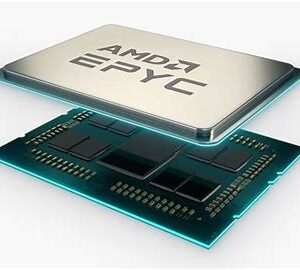


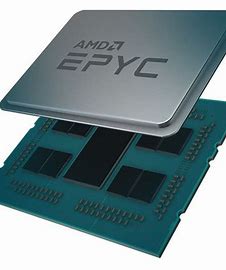
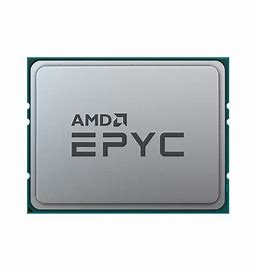

Hot Sale AMD EPYC 7232P / 7252 / 7262 / 7272 / 7282 – Tray Packed Wholesale Server CPUs
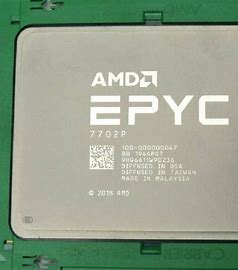


Here’s a comparison table for the AMD EPYC 7232P, 7252, 7262, 7272, and 7282 processors based on their key specifications:
| Specification | EPYC 7232P | EPYC 7252 | EPYC 7262 | EPYC 7272 | EPYC 7282 |
|---|---|---|---|---|---|
| Cores / Threads | 8C / 16T | 8C / 16T | 8C / 16T | 12C / 24T | 16C / 32T |
| Base Clock | 3.1 GHz | 3.1 GHz | 3.2 GHz | 2.9 GHz | 2.8 GHz |
| Boost Clock | 3.3 GHz | 3.2 GHz | 3.4 GHz | 3.2 GHz | 3.2 GHz |
| L3 Cache | 32 MB | 64 MB | 128 MB | 64 MB | 64 MB |
| TDP | 120W | 120W | 155W | 120W | 120W |
| PCIe Lanes | 128 (PCIe 4.0) | 128 (PCIe 4.0) | 128 (PCIe 4.0) | 128 (PCIe 4.0) | 128 (PCIe 4.0) |
| Memory Support | 8-channel DDR4-3200 | 8-channel DDR4-3200 | 8-channel DDR4-3200 | 8-channel DDR4-3200 | 8-channel DDR4-3200 |
| Socket | SP3 | SP3 | SP3 | SP3 | SP3 |
| Launch Year | 2019 | 2019 | 2020 | 2020 | 2019 |
| Market Segment | Single-socket (P) | Dual-socket | Dual-socket | Dual-socket |
1. AMD EPYC 7232P
-
Cores/Threads: 8C / 16T
-
Clock Speeds: 3.1 GHz (Base) / 3.3 GHz (Boost)
-
Cache: 32MB L3
-
TDP: 120W
-
Socket: SP3 (Single-Socket Only, “P” Model)
-
Key Features:
-
Optimized for single-socket servers, making it cost-effective for entry-level workloads.
-
Balanced clock speeds for general-purpose computing, virtualization, and light database tasks.
-
Lower L3 cache compared to other 8-core EPYC models.
-
-
Best For: Web hosting, small-scale cloud deployments, and enterprise applications where single-socket systems are preferred.
2. AMD EPYC 7252
-
Cores/Threads: 8C / 16T
-
Clock Speeds: 3.1 GHz (Base) / 3.2 GHz (Boost)
-
Cache: 64MB L3
-
TDP: 120W
-
Socket: SP3 (Dual-Socket Capable)
-
Key Features:
-
Similar to the 7232P but supports dual-socket configurations, enabling higher scalability.
-
Larger 64MB L3 cache improves performance in latency-sensitive workloads.
-
Energy-efficient 120W TDP for dense server deployments.
-
-
Best For: Virtualized environments, mid-range databases, and enterprise applications needing dual-socket support.
3. AMD EPYC 7262
-
Cores/Threads: 8C / 16T
-
Clock Speeds: 3.2 GHz (Base) / 3.4 GHz (Boost)
-
Cache: 128MB L3 (Largest in the 8-core lineup)
-
TDP: 155W
-
Socket: SP3 (Dual-Socket Capable)
-
Key Features:
-
Highest clock speeds and massive 128MB L3 cache in the 8-core EPYC series.
-
Optimized for memory-bound and latency-sensitive workloads.
-
Higher 155W TDP due to increased performance headroom.
-
-
Best For: High-frequency compute tasks, real-time analytics, in-memory databases, and financial modeling.
4. AMD EPYC 7272
-
Cores/Threads: 12C / 24T
-
Clock Speeds: 2.9 GHz (Base) / 3.2 GHz (Boost)
-
Cache: 64MB L3
-
TDP: 120W
-
Socket: SP3 (Dual-Socket Capable)
-
Key Features:
-
Higher core count (12C) while maintaining 120W TDP, offering better multi-threaded efficiency.
-
Balanced for mixed workloads needing both clock speed and core scalability.
-
Supports dual-socket configurations for expanded performance.
-
-
Best For: Cloud computing, virtualization, and mid-tier enterprise applications needing more threads.
5. AMD EPYC 7282
-
Cores/Threads: 16C / 32T
-
Clock Speeds: 2.8 GHz (Base) / 3.2 GHz (Boost)
-
Cache: 64MB L3
-
TDP: 120W
-
Socket: SP3 (Dual-Socket Capable)
-
Key Features:
-
Highest core count in this lineup while maintaining energy efficiency (120W TDP).
-
Ideal for highly parallelized workloads that benefit from more cores over raw clock speed.
-
Supports dual-socket configurations for up to 32C / 64T per system.
-
-
Best For: Data centers, HPC, virtualization, and workloads like rendering, scientific computing, and large-scale databases.
Summary & Recommendations:
-
For Single-Socket Budget Servers: EPYC 7232P (cost-effective, single-socket only).
-
For Balanced 8-Core Performance: EPYC 7252 (dual-socket, good cache balance).
-
For High-Frequency/Low-Latency Workloads: EPYC 7262 (best clocks + huge cache).
-
For Multi-Threaded Efficiency: EPYC 7272 (12C, good for virtualization/cloud).
-
For Maximum Cores at 120W: EPYC 7282 (16C, best for parallel workloads).