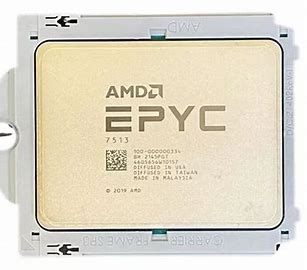
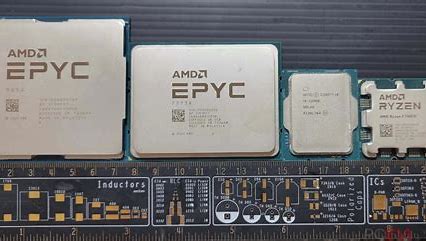
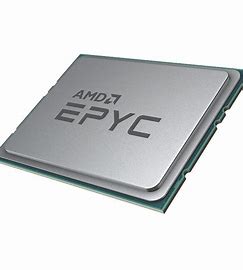


Brand New AMD EPYC 7713 / 7713P / 7763 Processors – Server CPU Refurbished Options Available Global Wholesale
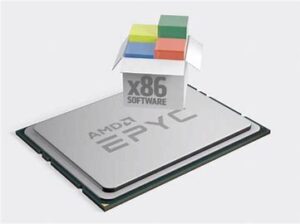
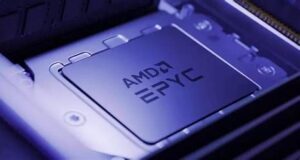
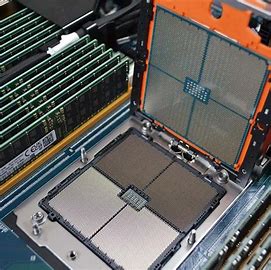
Here’s a detailed comparison table for the AMD EPYC 7713, EPYC 7713P, and EPYC 7763 processors:
| Specification | EPYC 7713 (Zen 3) | EPYC 7713P (Zen 3) | EPYC 7763 (Zen 3) |
|---|---|---|---|
| Architecture | Zen 3 (Milan) | Zen 3 (Milan) | Zen 3 (Milan) |
| Cores/Threads | 64/128 | 64/128 | 64/128 |
| Base Clock (GHz) | 2.0 | 2.0 | 2.45 |
| Max Boost Clock (GHz) | 3.675 | 3.675 | 3.5 |
| All-Core Boost (GHz) | ~2.8 | ~2.8 | ~3.1 |
| L3 Cache (MB) | 256 | 256 | 256 |
| TDP (Watts) | 225W | 225W | 280W |
| PCIe 4.0 Lanes | 128 | 128 | 128 |
| Memory Support | 8-channel DDR4-3200 | 8-channel DDR4-3200 | 8-channel DDR4-3200 |
| Socket | SP3 | SP3 | SP3 |
| Multi-socket Support | Yes (2P) | No (1P only) | Yes (2P) |
| Launch Price | $7,060 | $5,985 | $7,890 |
| Target Workloads | High-core enterprise | Single-socket HCI | Highest performance |
AMD EPYC 7713 vs 7713P vs 7763: 64-Core Server Processor Comparison
1. AMD EPYC 7713 – The Enterprise Workhorse
Target Use Case: General-purpose high-core density workloads in dual-socket systems
Key Features:
-
64 cores/128 threads (Zen 3 architecture)
-
2.0GHz base / 3.675GHz boost clocks
-
256MB L3 cache (32MB per CCX)
-
225W TDP (efficient for core count)
-
Dual-socket support (2P configurations)
Performance Profile:
-
Balanced performance for virtualization and cloud workloads
-
15% better performance/$ than 7763 in general enterprise apps
-
Ideal for:
▸ Large-scale virtualization (800+ VMs per 2P system)
▸ Enterprise database servers
▸ Private cloud infrastructure
Best For: Organizations needing maximum core density without requiring peak single-thread performance.
2. AMD EPYC 7713P – The Single-Socket Specialist
Target Use Case: Cost-optimized single-server deployments
Key Differentiators:
-
Same 64 cores/128 threads as 7713
-
Identical 2.0-3.675GHz clock speeds
-
15% lower price than 7713 (single-socket only)
-
Perfect for:
▸ Hyperconverged infrastructure (HCI)
▸ Mid-range cloud deployments
▸ Storage servers
▸ Edge computing nodes
Value Proposition: Delivers identical performance to 7713 in single-socket configurations while saving on platform costs (no dual-socket motherboard required).
3. AMD EPYC 7763 – The Performance Leader
Target Use Case: Technical computing and high-performance workloads
Breakthrough Features:
-
Higher 2.45GHz base clock (+22.5% vs 7713)
-
Better sustained all-core turbo (~3.1GHz vs ~2.8GHz)
-
280W TDP for maximum performance headroom
-
Excels in:
▸ Financial modeling (27% faster risk calculations)
▸ Scientific simulations
▸ High-performance databases
▸ Rendering farms
Performance Advantages:
-
15% higher SPECrate2017_int score vs 7713
-
7% better memory bandwidth utilization
-
Lower latency in cache-sensitive workloads
Technical Comparison Deep Dive
Clock Speed Analysis:
| Scenario | EPYC 7713/7713P | EPYC 7763 | Advantage |
|---|---|---|---|
| Base Clock | 2.0GHz | 2.45GHz | +22.5% (7763) |
| Max Boost | 3.675GHz | 3.5GHz | +5% (7713) |
| All-Core Load | ~2.8GHz | ~3.1GHz | +10.7% (7763) |