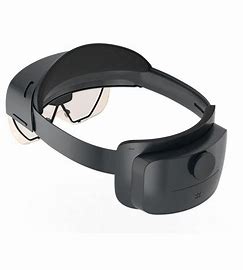
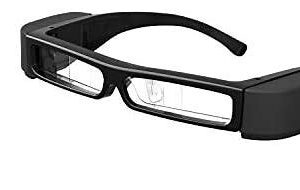
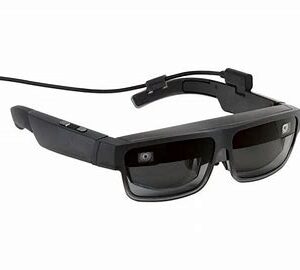
HTC VIVE FOCUS 3 All in One VR Headstet with 5K Screen Resolution 90Hz of Refresh Rate and 110 Degrees FOV VR Glasses
| l | Aspheric (edge-to-edge clarity) | ||||
| Processor | Snapdragon XR2 | Snapdragon XR2 Gen 2 | Snapdragon XR2 | N/A (PC-powered) | N/A (PC-powered) |
| RAM/Storage | 8GB RAM / 128GB | 8GB RAM / 128GB or 512GB | 8GB RAM / 128GB/256GB | N/A | N/A |
| Tracking | Inside-out (6DoF) | Inside-out (6DoF) | Inside-out (6DoF) | Outside-in (Lighthouse, 6DoF) | Outside-in (Lighthouse, 6DoF) |
| Controllers | 6DoF (Ergonomic, rechargeable) | Touch Plus (6DoF, no rings) | 6DoF (Similar to Quest 2) | Knuckles (Finger tracking) | N/A (Compatible with Index Controllers) |
| Battery Life | ~2–3 hours | ~2–3 hours | ~2–3 hours | N/A (Tethered) | N/A (Tethered) |
| Audio | Built-in speakers + 3.5mm jack | Built-in speakers + 3.5mm jack | Built-in speakers + 3.5mm jack | Off-ear speakers (BMR) | Off-ear or headphones |
| IPD Adjustment | Physical slider (58–72mm) | Continuous (58–71mm) | Continuous (62–72mm) | Physical slider (58–70mm) | Software + Hardware adjustment |
| Weight | 785g | 515g | 586g | 809g (HMD only) | 690g |
| Price (USD) | ~$1,300 (Enterprise) | 499(128GB)/649 (512GB) | ~420–500 | $999 (Full Kit) | ~$2,000 (HMD only) |
| Best For | Enterprise, Training, Wireless PC VR | Consumer gaming, Mixed Reality | Budget standalone, Media | High-end PC VR gaming | Professional VR (Flight sims, CAD) |
Overview
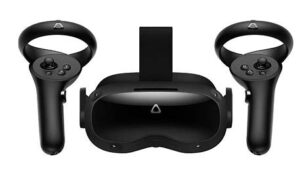
The HTC Vive Focus 3 is a premium standalone VR headset designed for enterprise and professional use, offering high-resolution visuals, ergonomic comfort, and wireless freedom. Unlike consumer-focused headsets like the Meta Quest 3, the Focus 3 prioritizes business applications, including corporate training, virtual simulations, and industrial design.
Key Features & Specifications
1. Display & Visuals
- Resolution: 2448 × 2448 per eye (5K combined) – Crisp, detailed visuals for professional use.
- Refresh Rate: 90Hz – Smooth performance for training and simulations.
- Lenses: Dual RGB LCD with Fresnel lenses – Bright, vibrant colors with reduced screen-door effect.
- Field of View (FOV): 120° – Wider than Quest 3 (110°) for better immersion.
- IPD Adjustment: Mechanical slider (58–72mm) – Precise fit for different users.
2. Performance & Hardware
- Processor: Qualcomm Snapdragon XR2 – Powerful enough for standalone enterprise apps.
- RAM & Storage: 8GB RAM + 128GB storage – Ample for business software.
- Battery Life: ~2–3 hours (hot-swappable batteries available).
3. Design & Comfort
- Weight: 785g – Heavier than Quest 3 (515g) but balanced for long sessions.
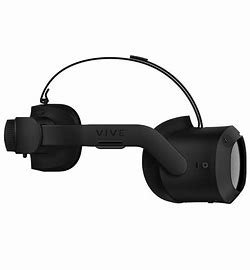
- Headstrap: Rigid, ergonomic design with rear battery – Distributes weight evenly.
- Materials: Magnesium alloy frame – Durable for workplace use.
4. Tracking & Controllers
- Tracking: Inside-out 6DoF – No external sensors needed.
- Controllers: Vive Focus 3 6DoF motion controllers – Comfortable grip, rechargeable.
5. Audio & Microphone
- Speakers: Built-in spatial audio (no headphones needed).
- 3.5mm Jack: Optional wired audio.
- Dual Microphones: Noise-canceling for meetings and training.
6. Connectivity & PC VR Support
- Standalone Mode: Runs VR apps natively (no PC required).
- PC VR Streaming: Supports Vive Business Streaming (wireless SteamVR).
- Wi-Fi 6 & Bluetooth 5.0 – Stable wireless performance.
Software & Enterprise Features
✔ VIVE Business Platform – Device management, app distribution, and remote support.
✔ Multi-user support – Easy switching between profiles.
✔ Secure data policies – Ideal for corporate and government use.
✔ OpenXR Support – Compatible with enterprise VR applications.
Pros & Cons
✅ Pros:
- Best-in-class resolution for standalone VR (5K).
- Comfortable for long sessions (balanced weight distribution).
- Enterprise-focused features (secure, scalable for businesses).
- Wireless PC VR streaming (works with SteamVR).
❌ Cons:
- Expensive (~$1,300) – Not aimed at consumers.
- Battery life limited to 2–3 hours.
- No pancake lenses (Fresnel lenses have glare).
Who Should Buy It?
- Businesses & Enterprises – Training, virtual collaboration, simulations.
- Architects & Designers – High-res VR for CAD and 3D modeling.
- Universities & Research – Virtual labs and education.
Alternatives Comparison
- For Consumers: Meta Quest 3 (better price, mixed reality).
- For PC VR Enthusiasts: Valve Index (higher FOV, 144Hz).
- For Ultra-High Res: Varjo Aero (PC-only, $2,000).
Final Verdict
The Vive Focus 3 is the best standalone VR headset for professionals, offering sharp visuals, enterprise-grade software, and wireless flexibility. While not ideal for casual gamers due to its price, it excels in corporate, medical, and industrial VR applications.