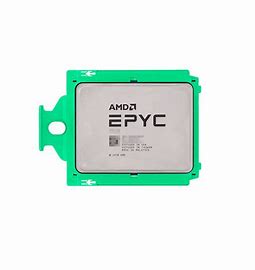
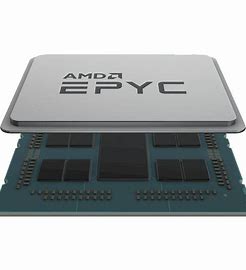
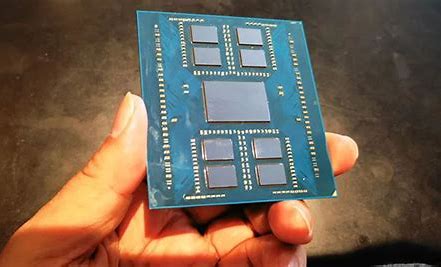
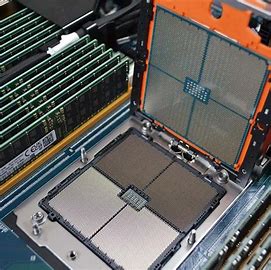
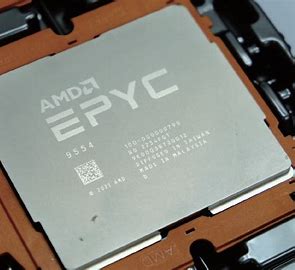
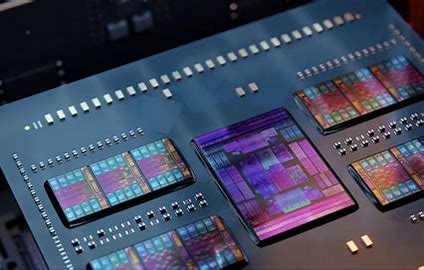

Original AMD EPYC 7343 EPYC 73F3 16 Cores 32 Threads 190W 3.2GHz Server/workstation Processor
Here’s a detailed comparison table for AMD EPYC 7343 and EPYC 73F3 processors:
| Specification | EPYC 7343 | EPYC 73F3 |
|---|---|---|
| Architecture | Zen 3 (Milan) | Zen 3 (Milan) |
| Cores / Threads | 16 / 32 | 16 / 32 |
| Base Clock (GHz) | 3.2 | 3.5 |
| Max Boost Clock (GHz) | 3.9 | 4.0 |
| L3 Cache (MB) | 128 | 256 (32MB per CCX) |
| TDP (Watts) | 190W | 240W |
| PCIe 4.0 Lanes | 128 | 128 |
| Memory Support | 8-channel DDR4-3200 | 8-channel DDR4-3200 |
| Memory Capacity | Up to 4TB | Up to 4TB |
| Socket | SP3 | SP3 |
| Launch Year | 2021 | 2021 |
| Target Market | General-purpose servers | High-frequency workloads |
AMD EPYC 7343 vs EPYC 73F3 – Detailed Comparison
1. AMD EPYC 7343 – Balanced Performance & Efficiency
-
Target Use Case: General-purpose enterprise workloads, virtualization, cloud computing, and data center applications.
-
Key Features:
-
16 cores / 32 threads (Zen 3 architecture)
-
3.2 GHz base / 3.9 GHz boost clock speeds
-
128MB L3 cache (8MB per core)
-
190W TDP – optimized for power efficiency
-
Supports 128 PCIe 4.0 lanes and 8-channel DDR4-3200 memory
-
Dual-socket capable (2P configurations)
-
-
Strengths:
-
Excellent balance between core count, clock speeds, and power efficiency
-
Ideal for virtualized environments and multi-tenant cloud deployments
-
More cost-effective than 73F3 for general server workloads
-
-
Best For: Enterprise applications, private cloud infrastructure, and virtualization where consistent performance and efficiency are prioritized over peak single-thread speed.
2. AMD EPYC 73F3 – High-Frequency, High-Cache Performance
-
Target Use Case: Latency-sensitive and cache-dependent workloads requiring maximum single-thread performance.
-
Key Features:
-
16 cores / 32 threads (Zen 3 architecture)
-
3.5 GHz base / 4.0 GHz boost – higher clocks than 7343
-
256MB L3 cache (16MB per core) – double the 7343’s cache
-
240W TDP – higher power draw for maximum performance
-
Same 128 PCIe 4.0 lanes and memory support as 7343
-
Dual-socket capable
-
-
Strengths:
-
Superior single-thread performance for database workloads
-
Massive L3 cache benefits in-memory applications and HPC
-
Higher sustained boost clocks for demanding workloads
-
-
Best For: Financial modeling, real-time analytics, high-frequency trading, gaming servers, and scientific computing where cache size and clock speeds are critical.
Key Differences Summary:
| Aspect | EPYC 7343 | EPYC 73F3 |
|---|---|---|
| Clock Speeds | 3.2/3.9 GHz | 3.5/4.0 GHz |
| L3 Cache | 128MB | 256MB |
| TDP | 190W | 240W |
| Performance | Balanced multi-thread | Optimized single-thread |
| Use Case | General servers | High-performance workloads |
Which Processor Should You Choose?
-
Choose EPYC 7343 if: You need a versatile, power-efficient processor for general enterprise workloads, virtualization, or cloud deployments where absolute peak performance isn’t required.
-
Choose EPYC 73F3 if: You’re running cache-sensitive or latency-critical applications like financial modeling, real-time databases, or scientific computing where every bit of single-thread performance matters.