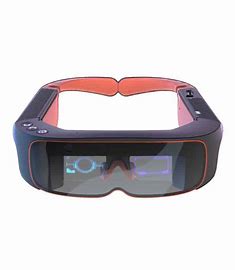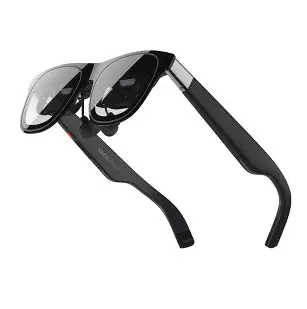
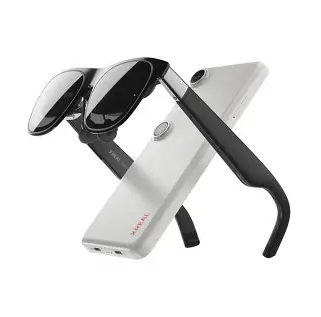
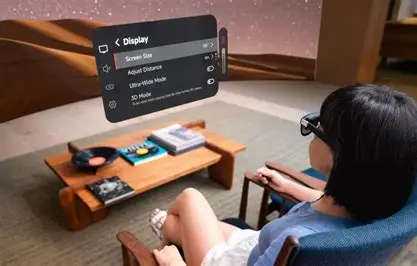
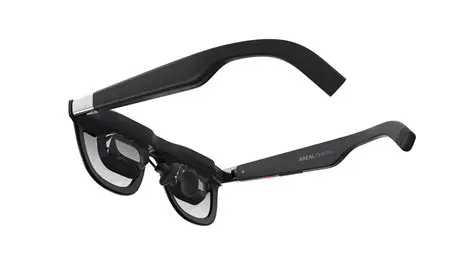
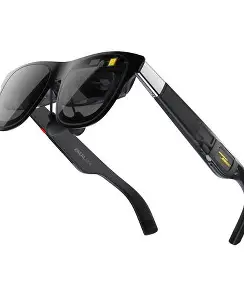
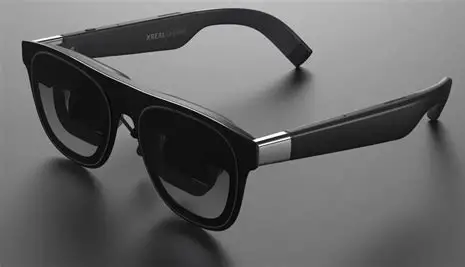

Xreal One AR Smart Glasses 3840X1080 Native 3DoF X1 Chip 50° FOV Ultra Large Viewing Angle Non Translation Glasses NEW
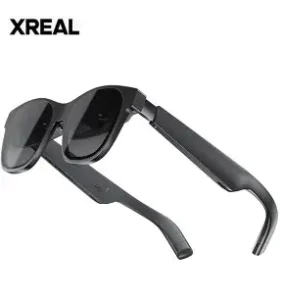
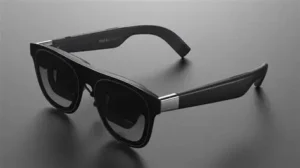
Here’s a detailed comparison table for Xreal One compared to the Xreal Air series:
| Feature | Xreal One | Xreal Air (1st Gen) | Xreal Air 2 | Xreal Air 2 Pro |
|---|---|---|---|---|
| Release Year | 2021 | 2022 | 2023 | 2023 |
| Display Tech | Micro-OLED | Micro-OLED | Micro-OLED | Micro-OLED |
| Resolution | 1080p | 1080p | 1080p | 1080p |
| Brightness | 300 nits | 400 nits | 500 nits | 500 nits + Dimming |
| Dimming Tech | None | None | None | Electrochromic (3-level) |
| Field of View | 46° | 46° | 46° | 46° |
| Refresh Rate | 72Hz | 90Hz | 120Hz | 120Hz |
| Weight | 85g | 79g | 72g | 72g |
| Audio | Basic speakers | Open-ear speakers | Improved speakers | Premium speakers |
| Connectivity | USB-C | USB-C | USB-C | USB-C |
| Compatibility | Limited (early adopter) | Android/Windows/iOS* | Wider compatibility | Widest compatibility |
| Nose Pads | Standard | Standard | Softer materials | Ultra-soft adjustable |
| Prescription Support | Limited | Magnetic inserts | Improved inserts | Best insert system |
| Price (Launch) | $599 | $379 | $399 | $449 |
Key Features
✔ 1080p Micro-OLED Displays – Sharp, high-resolution visuals for immersive media and gaming.
✔ 46° Field of View – Competitive FOV for its time, offering a theater-like experience.
✔ 300 Nits Brightness – Adequate for indoor use but less ideal for bright environments.
✔ 72Hz Refresh Rate – Smooth enough for general content, though not as fluid as newer models.
✔ 85g Lightweight Design – Comfortable for short sessions, though slightly heavier than successors.
✔ USB-C Connectivity – Works with compatible smartphones, PCs, and gaming devices.
Who Is It For?
🔹 Developers & Early Adopters – Those who want to experiment with early AR glasses.
🔹 Media Enthusiasts – Users looking for a portable big-screen experience.
🔹 Retro Tech Collectors – A piece of AR history as one of the first consumer AR glasses.
Limitations (vs. Newer Models)
❌ Lower Brightness (300 nits) – Struggles in well-lit environments.
❌ No Electrochromic Dimming – Lacks adaptive dimming for outdoor use.
❌ Basic Audio & Comfort – Speakers and fit aren’t as refined as newer versions.
❌ Limited Compatibility – Works with fewer modern devices compared to Air 2 series.
Should You Buy It in 2024?
The Xreal One is now mostly outdated compared to the Xreal Air 2 and Air 2 Pro, which offer better brightness, higher refresh rates, and improved comfort. However, if you find it at a significant discount or want an entry-level AR experience, it can still be functional for basic media consumption.