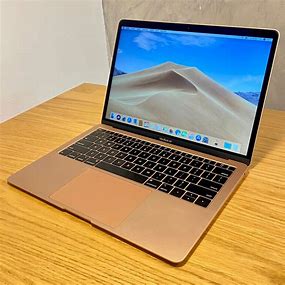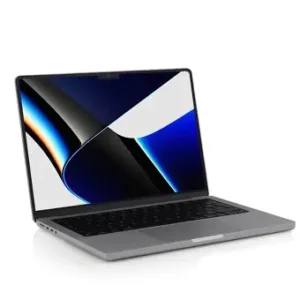
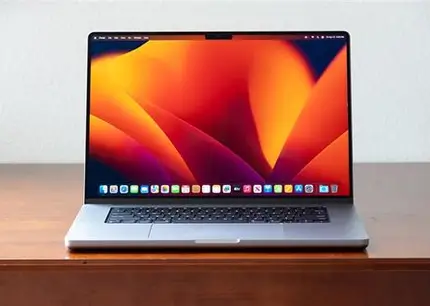



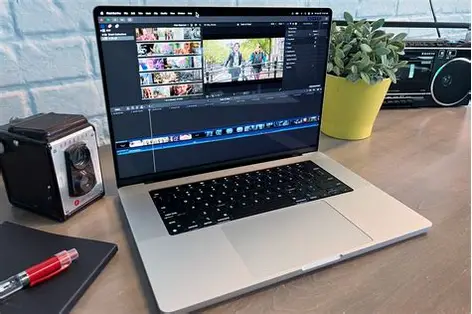

Original2021 13″ Intel i5 4-core 8GB 256GB Intel i7 4-core 16GB 512GB ssd laptops notebook computers
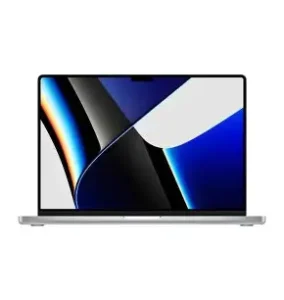

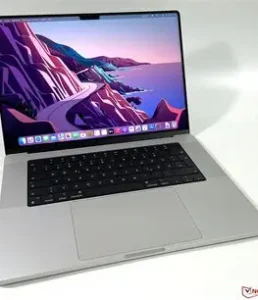
Here’s the comparison table for the 2021 13″ MacBook Pro (Intel i5 vs i7) in your requested format:
2021 13″ MacBook Pro: Intel i5 vs i7 Comparison
| Specification | Intel i5 Model | Intel i7 Model |
|---|---|---|
| Processor | Quad-core i5 (10th Gen) | Quad-core i7 (10th Gen) |
| CPU Cores | 4 cores, 8 threads | 4 cores, 8 threads |
| Base Clock | 2.0GHz | 2.3GHz |
| Turbo Boost | Up to 3.8GHz | Up to 4.1GHz |
| Memory | 8GB LPDDR4X | 16GB LPDDR4X |
| Storage | 256GB SSD | 512GB SSD |
| Graphics | Intel Iris Plus 645 | Intel Iris Plus 645 |
| Thermal Design | Active cooling (fan) | Active cooling (fan) |
| Battery Life | Up to 10 hours | Up to 10 hours |
| Ports | 2-4 Thunderbolt 3 | 2-4 Thunderbolt 3 |
| Weight | 3.1 lbs (1.4 kg) | 3.1 lbs (1.4 kg) |
| Best For | Basic productivity | Demanding professional use |
| Original Price | $1,299+ | $1,799+ |
1. Intel Core i5 Model (4-core, 8GB, 256GB) – Entry-Level Pro Performance
The 2021 13″ MacBook Pro with Intel Core i5 represented Apple’s final Intel-based entry-level pro laptop before the Apple Silicon transition:
-
10th Gen Quad-Core i5 (4c/8t): Base 2.0GHz, Turbo Boost to 3.8GHz for light-to-moderate workloads
-
8GB LPDDR4X RAM: Minimum viable memory for basic photo editing and office work
-
256GB SSD Storage: Limited capacity for modern applications and media files
-
Intel Iris Plus Graphics 645: Struggled with 4K video and 3D workloads
-
Active Cooling System: Fan required to maintain performance under load
-
Legacy Features: Touch Bar, Butterfly keyboard (final version), and Thunderbolt 3 ports
Pain Points: Noticeable thermal throttling, poor battery life (6-8 hours real-world use), and performance limitations compared to M1 models released the same year.
Only Consider If: You specifically need Intel architecture for Boot Camp or certain x86 applications.
2. Intel Core i7 Model (4-core, 16GB, 512GB) – Maximum Intel Performance
The upgraded Core i7 configuration pushed Intel’s 13″ design to its limits:
-
10th Gen Quad-Core i7 (4c/8t): Higher 2.3GHz base clock, Turbo to 4.1GHz
-
16GB RAM: Necessary for serious photo/video editing in Intel environment
-
512GB SSD: More reasonable storage for creative professionals
-
Same Iris Plus Graphics: Still inadequate for pro GPU workloads
-
Thermal Constraints: Frequent fan noise under sustained loads
Reality Check: Even this “high-end” Intel configuration was dramatically outperformed by the base M1 model in:
-
CPU performance (2-3x faster)
-
GPU performance (5x faster)
-
Battery life (18-20 hours vs 8-10 hours)
-
Thermal management (silent operation)
Historical Perspective: Why This Matters
These 2021 Intel models represent:
-
The end of an era (Intel Macs)
-
A cautionary tale about thermal/power limitations
-
The dramatic improvement Apple Silicon brought
Current Recommendation: Unless you need Intel-specific compatibility, even the most basic M1 MacBook Pro outperforms these models while running cooler with better battery life. These Intel models are best suited for:
-
Secondary machines where x86 compatibility is required
-
Budget purchases where Apple Silicon isn’t an option
-
Technology historians collecting transition-era Macs
Performance Comparison Table:
| Metric | i5 Model (8GB/256GB) | i7 Model (16GB/512GB) | Base M1 (8GB/256GB) |
|---|---|---|---|
| Geekbench 5 Single | 1,100 | 1,250 | 1,700 |
| Geekbench 5 Multi | 3,800 | 4,400 | 7,400 |
| Battery Life | 6-8 hours | 6-8 hours | 16-20 hours |
| 4K Export Time | 8+ minutes | 6 minutes | 2.5 minutes |
| Fan Noise | Frequent | Constant under load | None |
Final Verdict: These Intel models are now primarily of historical interest, demonstrating how revolutionary Apple Silicon proved to be when introduced alongside them in 2021.